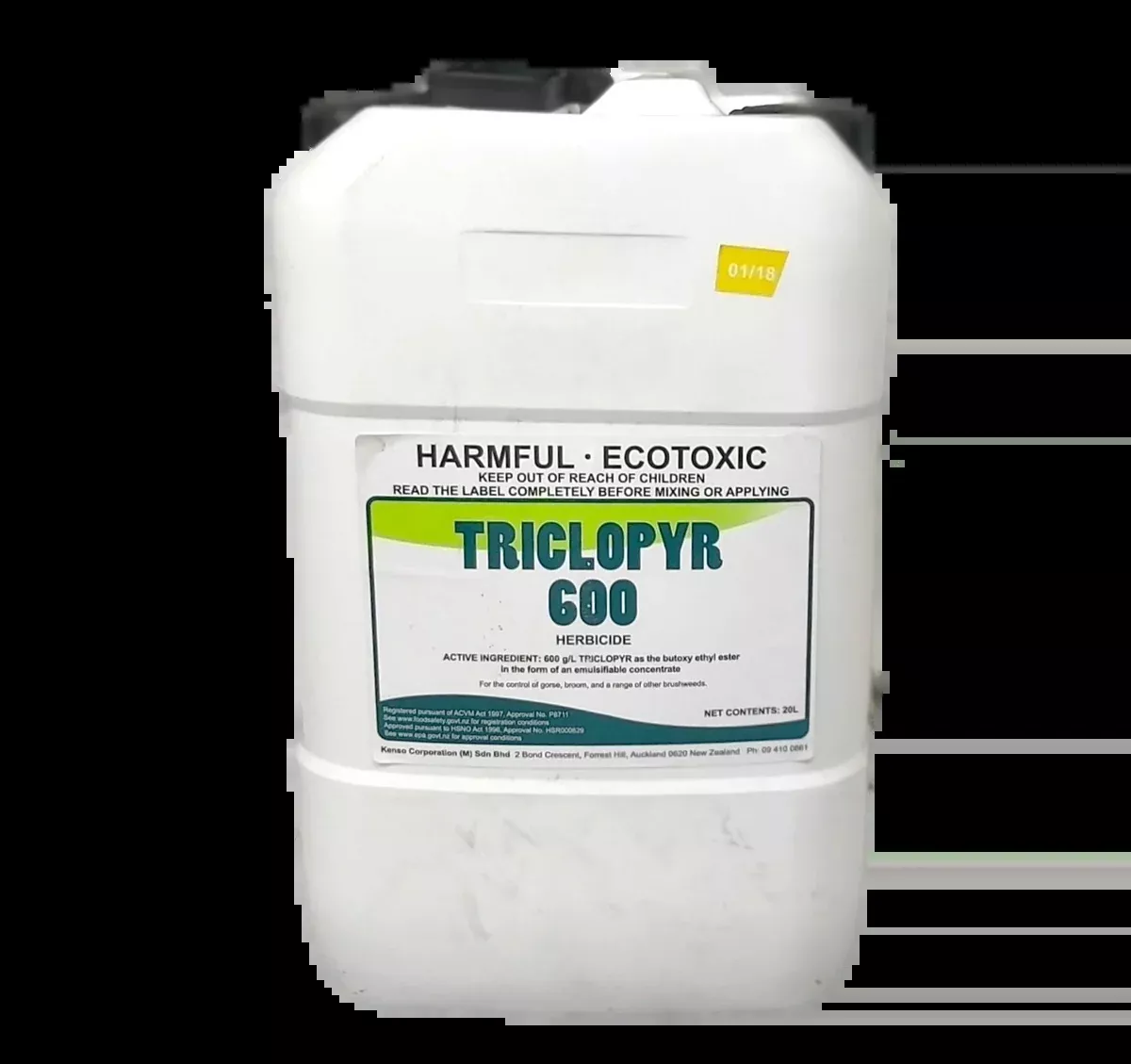
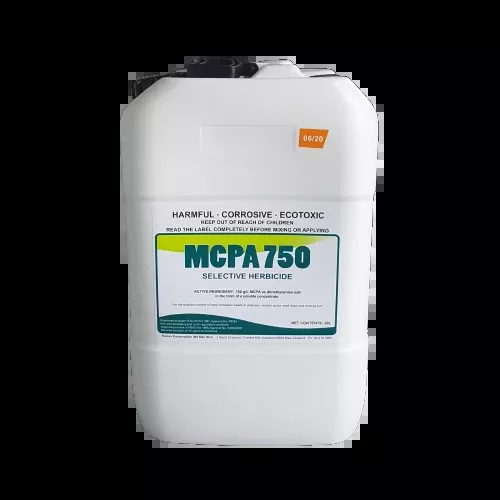
MCPA 750 Herbicide is for the Selective Control ofBroadleaf Weeds, especially Thistles, Buttercup and other hard-to-kill weeds in established Pastures, Cereals, Grass‑seed Crops and Amenity Turf.
Active Ingredient:
750 g/L MCPA as dimethylamine salt in the form of a Soluble Concentrate.
Application & Rates: (High Level).
– Cereals (Barley, Wheat, Ryecorn): 0.75–1.5 L/ha — From 5 leaf stage to start of jointing. Do NOT use on undersown Cereals; use MCPB for undersown.
– Oats: 0.75–1.5 L/ha — From 1 leaf stage to start of jointing.
– Grass seed: 0.75–1.8 L/ha — Apply soon after shutting up.
– Linseed: 1.0 L/ha — Up to flower bud stage.
– Pastures, lawns, playing fields: 1.5–3.0 L/ha — See “General Comments”. On new pastures use lower rates (label). Knapsack: 25–50 mL/10 L (high rate for perennial/hard weeds). Motorised Mistblower: 130 mL/10 L (middle setting).
– Ground/Cereal Rates: typical 0.75–1.5 L/ha for cereals (species/stage dependent). – Pasture: 1.5–3 L/ha. Knapsack: 25–50 mL/10 L. Mistblower: 130 mL/10 L. Use lower rates on seedlings, higher rates on larger/hardened Weeds. (See label for Crop‑ and weed‑specific rates and timing).
– Apply when Weeds actively growing; avoid spraying stressed plants.
– Repeat timings vary by Weed/Crop and label guidance.
Key Hazards & Regulatory:
– HSNO approved HSR000381.
– Acute oral toxicity Category 4.
– Serious eye damage Category 1.
– STOT (repeated) Category 1.
– Hazardous to soil organisms; terrestrial vertebrates; aquatic acute & chronic Category 1.UN3082, Packing Group III, HAZCHEM 2X.
– Approved/Certified handler required for use.
– It is an offence to use contrary to label or to cause residues above MRLs.
Personal Protection & Precautions:
– Harmful if swallowed; causes serious Eye damage; may cause liver damage after repeated high oral doses.
– Very toxic to aquatic organisms.
– Avoid Skin/Eye Contact and inhalation of spray mist; do not Eat/Drink/Smoke while using.
– Wear Eye Protection, Waterproof Gloves, Boots and Overalls when Mixing/Applying.
– Wash hands/face before meals and after work.
– Keep out of reach of Children. – Store locked in original container; don’t store with Class 1,2,3.2,4 or 5 substances, Food, Seed or Fertiliser.
First Aid & Emergency:
– If Swallowed: DO NOT induce vomiting; contact National Poisons Centre 0800 POISON (0800 764 766) or doctor.
– Skin: remove contaminated clothing and rinse.
– Eyes: flush with water.
– If inhaled: move to fresh air.
– Emergency Specialist: 0800 CHEMCALL (0800 243 622).
Environmental Precautions & Drift Management:
– Very toxic to aquatic life — avoid contamination of water supplies and do not apply into/onto water.
-Spray drift hazard: use low‑drift nozzles, maintain recommended water rates (ground 100–300 L/ha; aerial 30–100 L/ha), and avoid spraying when wind may move spray toward sensitive vegetation (especially within 0.5 km). Keep stock away until treated poisonous plants die down.
Mixing, Cleaning & Compatibility:
– Pour measured quantity into partly filled tank and top up with water; maintain agitation.
Flush and decontaminate equipment after use; follow Phenoxy decontamination procedures if spraying sensitive Crops.
– Compatible with many products; follow label for tank‑mix guidance.
Weeds Controlled / Limitations:
Controls many Broadleaf Weeds:
– Ragwort.
– Thistles.
– Dandelion.
– Plantain.
– Buttercup.
– Nettle.
– Shepherd’s‑purse.
– Some species require specific timing or repeat treatments; large/multicrown plants may need spot treatments or alternative Herbicides.
– May damage Clover; hard‑graze before spraying and allow re‑establishment guidance.
Animal Safety & Withholding:
– Poisonous Plants may become more palatable after spraying — keep stock away until plants die down.
– Do not carry product on passenger vehicles.
– Follow record‑keeping requirements (NZS 8409).
Spill & Disposal:
– Contain spills, absorb with inert material, sweep up and dispose to approved landfill; prevent entry to waterways.
– Triple rinse container and add rinsate to spray tank; recycle via AgRecovery or dispose per local authority.
Resistance Management:
– Group 4 (phenoxy). Resistant biotypes exist — use in mixtures/rotations with other modes of action and follow resistance guidance (resistance.nzpps.org).
Caution:
Must be used strictly according to label directions.
Available in 20L, 200L
Recommended Rate: Use approx. 2L/ha
Registered under the ACVM Act: P008294